Cholecystectomy Error Lawyer

The operation goes wrong
at the decision point.

Most laparoscopic gallbladder injuries do not happen because the surgeon was unskilled. They happen at the moment the surgeon should have paused, and did not.

Availability
24/7 · No fee unless we win
Practice
Nationwide
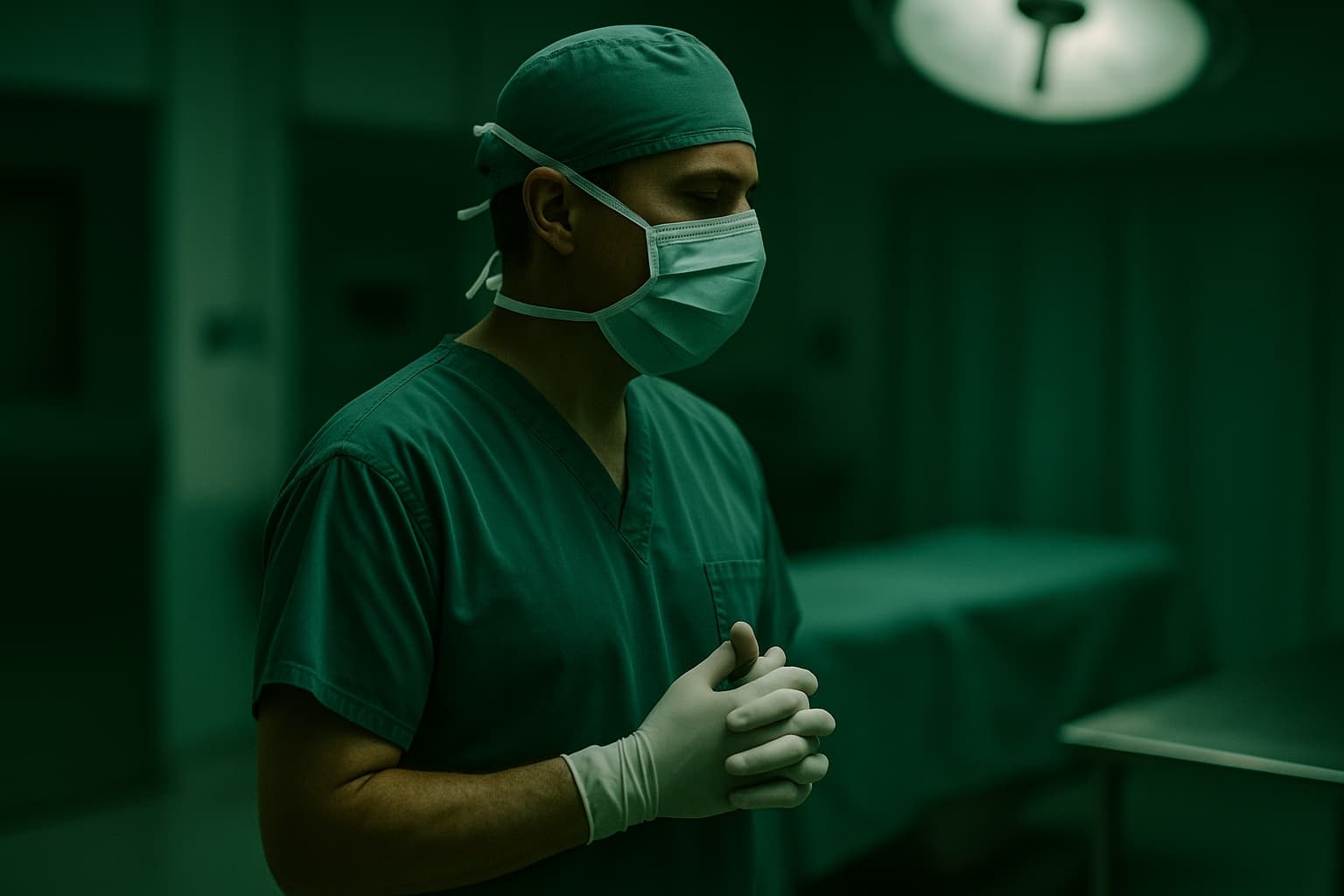
Surgical team in the OR reviewing monitor during laparoscopic case

What counts as a laparoscopic cholecystectomy error under the standard of care?

Laparoscopic cholecystectomy errors span intraoperative mistakes that deviate from established standards: misidentification of the common bile duct as the cystic duct, thermal injury from overzealous electrocautery, inadvertent clipping of the hepatic artery, trocar injury to bowel or vessels, failure to recognize the duct of Luschka, and dropped gallstones. Each has a documented forensic signature in the operative report and post-op course. The Society of American Gastrointestinal and Endoscopic Surgeons (SAGES) has published detailed safe-cholecystectomy guidelines — the critical view of safety, intraoperative cholangiography in ambiguous cases, low threshold for conversion. Deviations from these published standards form the basis of a malpractice claim.

01

Misidentified anatomy

The most consequential intraoperative error in cholecystectomy is misidentifying the common bile duct as the cystic duct. The two structures sit in close proximity, and in an inflamed or obscured field they can look nearly identical from a laparoscopic camera angle. When the surgeon clips and cuts what they believe is the cystic duct — and it is actually the common bile duct — the injury is often a Strasberg E-class transection that requires major reconstruction.

This is the error the critical view of safety was designed to prevent. The technique, published by Strasberg and Brunt in 1995 and adopted as standard by every major surgical society, requires three conditions before any clip or cut: the triangle of Calot is cleared, the lower third of the gallbladder is visible, and only two structures — the cystic duct and cystic artery — enter the gallbladder.

The Published Standard

Three conditions. Met before any clip. Met before any cut.

01

Hepatocystic triangle cleared.

All fat and fibrous tissue dissected out of the triangle of Calot so only the tubular anatomy is visible.

02

Lower third of the gallbladder separated.

Gallbladder lifted off the cystic plate. The common bile duct and common hepatic duct are no longer in the field of play.

03

Only two structures entering.

Cystic duct. Cystic artery. Anything else in view means the anatomy has not yet been identified and the operation has not yet reached the clip step.

The standard since Strasberg & Brunt, 1995. Universally taught.

02

The decision to convert

The standard of care is not "always complete the operation laparoscopically." The standard is to complete it safely. When anatomy cannot be identified, when bleeding obscures the field, or when inflammation makes dissection unsafe, conversion to open cholecystectomy is the correct move — and one that carries no reputational cost in well-governed programs.

Many bile duct injury cases come back to the same moment in the operative record: the surgeon pressed on laparoscopically past the point where conversion was indicated. The record often tells the story in what it does not contain — a cholangiogram not performed, a pause not taken, a second opinion not sought when the field was unclear.

Laparoscopic · U.S.

~750,000

Laparoscopic cholecystectomies performed in the United States each year.
A routine operation is where routine errors become catastrophic.

Approximate annual volume, U.S. hospital discharge data

03

Thermal and energy-related injuries

Electrocautery, harmonic scalpels, and advanced energy devices have transformed laparoscopic surgery — they are also the source of a distinct category of injury that often declares itself after the patient has gone home. Thermal spread from a cautery tip extends well beyond the visible point of contact. When energy is applied close to the common bile duct or the hepatic artery, the tissue looks intact at the end of the case, closes without bile staining, and the patient is discharged on schedule. Days or weeks later, the devitalized tissue necroses and produces a delayed bile leak, a vascular compromise, or a biliary stricture.

SAGES safe-cholecystectomy guidance addresses this directly: energy should be applied judiciously, preferably away from critical structures, with careful attention to thermal spread. Operative notes that describe the liberal use of cautery in the triangle of Calot — or the use of cautery to control bleeding near the ductal structures without first achieving adequate exposure — frequently correlate with delayed injuries that did not become apparent for weeks.

Adam’s Take
Most laparoscopic cholecystectomy injuries are not skill-failures. They are judgment-failures — the pause that never came, the cholangiogram that was never performed, the conversion that was never made. The record almost always shows the moment.

Adam J. Zayed

Founder · Zayed Law Offices

04

Trocar and access-related injuries

Laparoscopic surgery begins before any gallbladder work is done — with the creation of the pneumoperitoneum and the placement of the trocars through which the camera and instruments will pass. Most serious trocar injuries happen at this moment. The initial port, whether placed with a Veress needle, a Hasson cutdown, or an optical trocar, can lacerate bowel, mesenteric vessels, or the iliac vessels in the retroperitoneum. Patients with prior abdominal surgery have adhesions that can draw bowel loops up to the abdominal wall in positions surgeons do not expect.

The standard of care is to consider the patient’s history of prior surgery, to choose the access technique accordingly, and to systematically inspect for visceral and vascular injury after the ports are placed. When a trocar injury occurs and is recognized, immediate conversion and repair is the accepted response. When the injury is not recognized — and the patient presents a week later with peritonitis, sepsis, and free air on imaging — the delay in recognition is the central malpractice question. The operative report’s description of trocar placement and the post-placement survey is usually the key evidence.

05

Dropped gallstones and the long-tail complications

Gallstones can be spilled into the peritoneal cavity during dissection of the gallbladder from the liver bed, particularly when the gallbladder wall perforates during manipulation. The accepted response is to retrieve every spilled stone that can be safely retrieved. Stones that cannot be retrieved should be documented in the operative note, and the patient should be informed and followed for the possible later complications.

Dropped stones are not benign. They can form intra-abdominal abscesses years later — often presenting with fever, localized pain, or findings on imaging done for unrelated reasons. Chronic sinus tracts, fistulas to skin or bowel, and inflammatory masses are all reported long-tail consequences. The malpractice question is typically not whether a stone was dropped, but whether the spill was recognized, whether retrieval was attempted and documented, and whether the patient was informed of the residual risk. A dropped stone that produced a complication years later, in a patient who was never told the stone was lost and never followed, is a different case from one where the operative note documented the spill and counseled the patient.

06

What we look for in the operative record

The operative report is the first and most important document in every laparoscopic cholecystectomy error case. We read it closely for specific markers. Does it describe the critical view of safety — the triangle of Calot cleared, the lower third of the gallbladder exposed, only two structures entering? Does it document an intraoperative cholangiogram, either performed or explicitly considered and declined with reasons? Does it describe the conversion threshold — at what point the surgeon would have gone open — or does it suggest the operation proceeded on autopilot?

We pair the operative note with the anesthesia record, the nursing intraoperative notes, the post-operative vital signs, and all post-discharge communication. Templated operative notes that read identically across a surgeon’s case log are a particular concern — they often reflect a surgeon who was not paying attention to the specific anatomy of the specific case. The richness and specificity of the operative note usually correlates directly with the rigor of the operation itself.

Free Case Review

Had complications after laparoscopic gallbladder surgery?

Most laparoscopic cholecystectomy injuries are identifiable in the operative report itself. If you are dealing with a bile duct injury, thermal damage, a dropped stone, or a trocar-related complication, the first step is a careful reading of the records. A confidential consultation — free, no obligation.

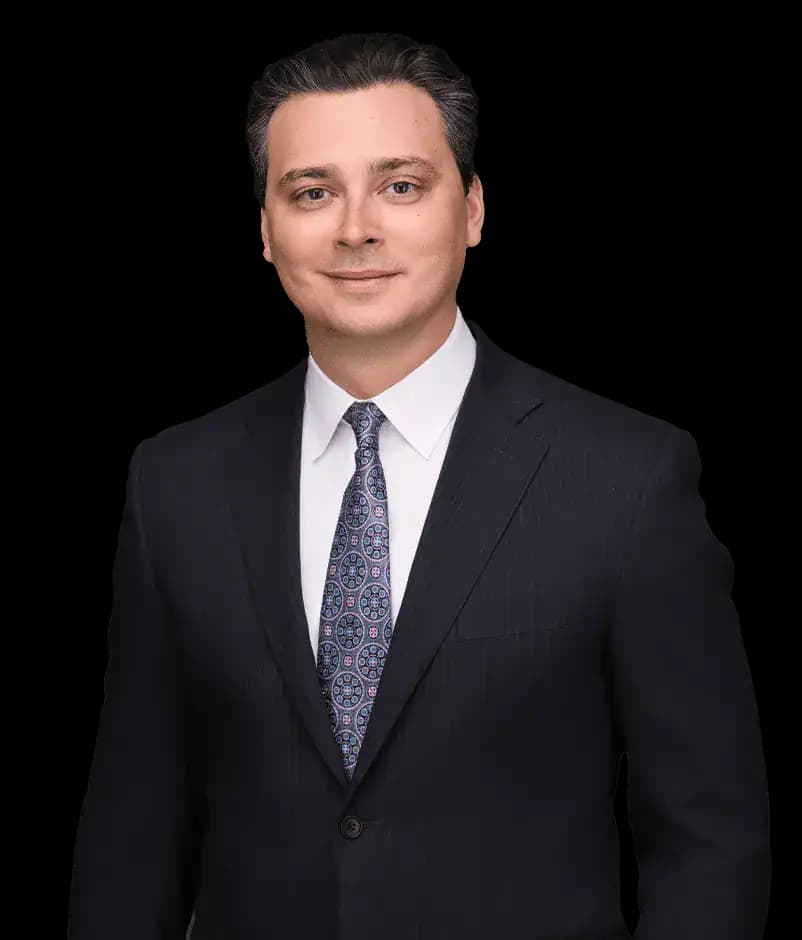
Adam J. Zayed, founder and managing trial attorney at Zayed Law Offices
Meet Your Attorney

Adam J. Zayed

Founder & Managing Trial Attorney — Zayed Law Offices

$150M+Recovered for Clients
100%Illinois Appellate Win Rate
15+Years in Trial Practice

Adam J. Zayed is the founder and managing trial attorney of Zayed Law Offices, a nationally recognized, multi-office firm representing individuals and families in catastrophic personal injury, medical malpractice, and wrongful death matters.

Mr. Zayed has recovered more than $150 million for injured clients and has represented plaintiffs in billion-dollar mass tort litigations. He carefully limits his caseload so every case receives the attention, craft, and strategic development needed to fully articulate each client’s losses.

Education

  • Juris DoctorNotre Dame Law School
  • MBA (Dean’s List)University of Chicago Booth School of Business
  • Bachelor’s, High HonorsLoyola University Chicago
  • Bar AdmissionsIllinois · Florida (national practice)

Honors & Associations

  • Top 40 — The National Trial Lawyers (Civil Plaintiff)
  • Top 25 Medical Malpractice Trial Lawyers
  • 10.0 Avvo Rating — Top Attorney
  • Super Lawyers 2025
  • Best Lawyers in America
  • Million Dollar Advocates Forum
Client Voices
Their dedication and hard work really show. I highly recommend this firm to anyone looking for trustworthy and reliable legal help.
FAQ

Frequently Asked Questions

Common questions about laparoscopic cholecystectomy errors, the standard of care established by SAGES and the American College of Surgeons, and the malpractice analysis that decides whether you have a case.

Free Consultation

Get your free case evaluation today

Do you think you have a medical malpractice case based on an injury caused by a healthcare provider that occurred in Florida?

Zayed Law Offices — nationwide gallbladder malpractice practice
Where We Practice

Nationwide Representation

Our attorneys are admitted in Illinois and Florida and represent clients across all 50 states through established co-counsel relationships with specialized local medical-malpractice firms.

  • Chicago HQ
    Zayed Law OfficesChicago, Illinois
  • Miami Office
    804 NW 21 Terrace, Suite 205Miami, FL 33127

Call 24/7 · Nationwide Intake305.916.6455